



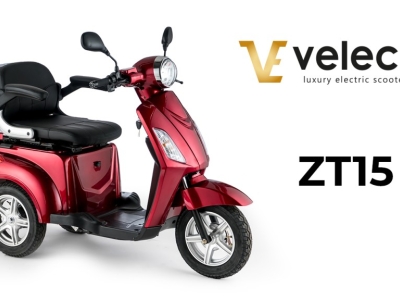
Did you know that the average mobility scooter can last 5-7 years with proper maintenance? Yet many of us replace our trusty steeds prematurely, missing out on thousands in potential savings! Blimey, that's a lot of afternoon teas and biscuits you could be enjoying instead! Whether you're dealing with a sluggish motor that moves slower than a tortoise in treacle or batteries more temperamental than British summer weather, knowing when to repair versus when to replace can be the difference between savvy money management and watching your hard-earned pounds disappear faster than cake at a village fête. So pop the kettle on, and let's explore how we can save you some serious money while keeping your independence absolutely intact!
Table of contents
- Common mobility scooter problems and their repair costs
- When repairs make financial sense
- Signs it's time to replace your mobility scooter
- Cost-saving alternative to full replacement and preventative maintenance
- Financial resources for mobility scooter users
Common mobility scooter problems and their repair costs
Understanding common issues and their associated repair costs helps us make informed decisions when problems arise. Being able to distinguish between minor hiccups and major mechanical failures could save you hundreds of pounds — enough for a cheeky weekend in Blackpool or that fancy Sunday roast you've been eyeing up!
Battery issues: the most frequent culprit
Battery problems account for roughly 60% of mobility scooter service calls in the UK. Quite the majority, that! When your scooter doesn't hold a charge like it used to or struggles with hills it once handled easily, chances are your batteries are deteriorating faster than chocolate digestives in a cup of tea. Replacement costs vary significantly:
- Standard lead-acid batteries: £60-120 per pair (affordable as chips, relatively speaking)
- Gel batteries: £100-200 per pair (middle of the road, like a Ford Focus)
- Lithium-ion batteries: £200-500+ per pair (pricey little beggars, but worth considering)
Motor problems: diagnosing the expensive repairs
Motor issues typically manifest as unusual noises, intermittent power delivery, or complete failure to operate. These problems can be particularly distressing as they often render the scooter completely unusable — and always just when you've planned that trip to the garden centre, naturally! The cost breakdown for motor repairs typically looks like:
- Motor brushes replacement: £50-100 (not too painful)
- Gearbox repair: £150-250 (starting to smart a bit)
- Complete motor replacement: £300-700 depending on model (ouch, that stings!)
Electrical system failures: complex diagnostics
Electrical problems can be particularly frustrating as they often present intermittently and require specialised diagnostic equipment. Issues with controllers, wiring harnesses, or charging systems typically fall in this category. Repair costs for electrical issues range widely:
- Controller repairs: £100-200
- Controller replacement: £200-400
- Wiring harness repairs: £80-150
- Charging port replacement: £60-120
A retired electrical engineer who now repairs mobility scooters in Leeds emphasises that moisture is the number one enemy of electrical components. He recommends always covering scooters when not in use and avoiding operation in heavy rain whenever possible. This simple habit has saved his customers countless pounds in preventable repairs.
Tyre and wheel considerations
While typically less expensive than electrical or motor repairs, tyre and wheel issues directly impact safety and comfort. Worn tyres compromise traction, while damaged wheels can affect steering and stability. Typical costs include:
- Pneumatic tyre replacement: £20-40 per tyre
- Solid tyre replacement: £30-60 per tyre
- Wheel bearing replacement: £40-80 per wheel
- Complete wheel assembly: £50-120 per wheel
Many users wonder about switching from pneumatic to solid tyres to eliminate puncture risks. While this change reduces maintenance, it does result in a harsher ride. The decision depends on your typical terrain and comfort preferences.
When repairs make financial sense
Making smart financial decisions about mobility scooter repairs requires understanding some practical guidelines. After all, we don't want to be throwing good money after bad like it's going out of fashion, do we? The right choice varies based on your individual circumstances, but these frameworks can help guide your decision-making process better than a GPS on a clear day.
The 50% rule: a practical guideline
Consider replacement when repair costs exceed 50% of a comparable new scooter's value. This guideline provides a sensible balance between maximising your existing investment and, well, flushing your hard-earned pension down the loo! However, this rule isn't absolute. If your scooter has sentimental value (perhaps it took you to your grandson's wedding) or customisations that would be more difficult to replicate than finding a parking space in central London, you might reasonably exceed this threshold. The key is making an informed decision rather than reacting emotionally to breakdown situations – though we've all been there when our trusty steeds let us down!
Calculating cumulative repair costs
One approach often overlooked is tracking cumulative repair expenses. Small repairs may individually seem reasonable, but they can quickly accumulate to surpass the scooter's value. Consider keeping a simple maintenance log that includes:
- Date and description of each repair
- Cost of parts and labour
- Cumulative repair spending
- Current estimated value of your scooter
This record helps identify patterns of increasing repair frequency that often precede major failures. When you notice repair intervals shrinking while costs increase, it's usually a reliable indicator that replacement time is approaching.
Age considerations: repair value based on scooter age
A scooter's age significantly impacts repair value calculations. As mobility equipment ages, the likelihood of multiple components reaching end-of-life simultaneously increases. Industry data suggests these general guidelines:
- Years 1-2: Almost all repairs make financial sense
- Years 3-5: Major component repairs require careful consideration
- Years 6+: Only minor repairs typically justify the expense
Availability of parts for older models
Part availability becomes increasingly problematic as scooters age. Manufacturers typically stock components for 5-7 years after model discontinuation, after which finding compatible parts becomes challenging and expensive. When assessing repair viability for older scooters, consider:
- Is the manufacturer still in business?
- Does your model use proprietary or standard components?
- Are aftermarket alternatives available?
- Will repairs require custom fabrication?
DIY repair options for the technically inclined
For users with technical aptitude, DIY repairs can significantly reduce costs. Online communities and video tutorials have made self-repair more accessible than ever for common issues like battery replacement, tyre changes, and basic electrical troubleshooting. However, safety must remain paramount. A physiotherapist who works with mobility scooter users cautions against DIY repairs involving:
- Main controller programming
- Motor internal components
- Structural frame modifications
- Braking system adjustments
These systems directly impact user safety and generally require professional attention. For everything else, manufacturer-approved service manuals provide valuable guidance for safe DIY repairs.
Signs it's time to replace your mobility scooter
Safety concerns that warrant immediate attention
No cost saving justifies compromising safety. Certain issues signal that replacement should take priority over repair attempts, particularly when structural integrity is compromised. Red flags:
- Frame cracks or structural deformation
- Steering instability or unpredictability
- Braking system unreliability
- Electrical system shorts or smoke
- Control panel inconsistency
Have you noticed your confidence declining when using your scooter? This subtle psychological indicator often reflects subconscious awareness of developing safety issues.
Frequency of breakdowns: the reliability factor
Increasing breakdown frequency creates both financial burden and psychological stress. When your scooter's reliability becomes questionable, the impact extends beyond repair costs to affect your quality of life. Consider tracking:
- Number of repair incidents in the past 12 months
- Days your scooter was unusable awaiting repairs
- Situations where breakdown left you stranded
- Emotional impact of uncertain reliability
Changes in mobility needs
Your personal mobility requirements likely evolve over time. A scooter perfectly suited to your needs when purchased might no longer accommodate your current lifestyle or physical condition. Consider whether your current scooter still:
- Provides sufficient range for your typical journeys
- Comfortably accommodates your physical dimensions
- Handles the terrain you regularly encounter
- Fits in your vehicle if you transport it
- Offers appropriate speed for your needs
Cost-saving alternative to full replacement and preventative maintenance
When repairs seem uneconomical but a brand-new scooter stretches your budget, several alternatives offer potential middle ground solutions. These options can provide significant savings while still ensuring reliable mobility.
Component upgrades versus full replacement
Sometimes upgrading specific high-value components provides most benefits of replacement at a fraction of the cost. This approach works particularly well for scooters with solid frames but outdated or failing electrical systems. Popular component upgrades include:
- Battery system conversions (e.g., lead-acid to lithium)
- Controller replacements with newer technology
- Seat upgrades for improved comfort
- Lighting system modernisation
- Wheel and tyre upgrades for better performance
Preventative maintenance to avoid costly repairs
The most cost-effective strategy for mobility scooter ownership is preventing problems before they occur. Proper maintenance not only extends equipment life but also enhances safety, reliability, and resale value.
Essential weekly maintenance routines
Establishing simple weekly habits dramatically reduces breakdown risk and catches minor issues before they escalate into major repairs. These basic checks require no technical expertise but yield significant benefits. Mobility technicians recommend these weekly practices:
- Visual inspection of tyres for wear and proper inflation
- Battery terminals check for corrosion or loose connections
- Cleaning of external surfaces, particularly after outdoor use
- Operation of all controls to detect changes in responsiveness
- Attention to new noises, vibrations, or performance changes
Professional service intervals
While weekly owner maintenance covers basics, professional servicing addresses systems requiring specialised knowledge and equipment. These periodic checks identify developing issues before they cause breakdowns. Recommended professional service intervals typically include:
- Basic inspection and adjustment: every 6-12 months
- Comprehensive service: annually
- Battery load testing: annually
- Controller diagnostic scanning: annually
- Wheel bearing inspection: annually
Storage considerations for long-term reliability
How and where you store your scooter significantly impacts component longevity. Proper storage prevents premature degradation of electrical systems, upholstery, and mechanical parts. For optimal preservation during storage:
- Choose dry environments with moderate, stable temperatures
- Remove batteries for separate storage during extended periods
- Cover with breathable materials that prevent dust accumulation
- Position weight off tyres to prevent flat spots
- Periodically charge batteries even during non-use periods
Financial resources for mobility scooter users
Insurance options for mobility equipment
Dedicated mobility equipment insurance policies offer protection beyond standard home coverage. These specialised policies typically address the unique risks associated with scooter ownership and use. Key features to look for include:
- Breakdown coverage for mechanical and electrical failures
- Accidental damage protection
- Public liability coverage
- Recovery services for breakdowns away from home
- New-for-old replacement provisions
Payment plans and financing options
When out-of-pocket expenses exceed available funds, various financing solutions, i.e. Klarna financing, can bridge the gap. These options help manage large repair bills or replacement costs through more manageable payment structures. Common financing approaches include:
- Manufacturer-sponsored interest-free periods
- Medical credit cards with specialised terms
- Hire purchase agreements with ownership transfer
- Flexible payment plans through service providers
- Credit union loans for medical equipment
When exploring financing options, pay particular attention to the total cost of ownership rather than focusing exclusively on monthly payment amounts. Some seemingly affordable plans carry excessive interest rates that significantly increase long-term costs.
Conclusion
Proper maintenance remains your best defence against costly repairs. The modest time and financial investment in routine care yields returns more substantial than a winning lottery ticket (well, a small one at least) through extended equipment life and enhanced reliability. Have you implemented any particularly effective cost-saving strategies with your mobility equipment? Your experiences might help others in similar situations make better decisions about their own mobility scooters. After all, we're all in this together, aren't we? And sharing tips over a cuppa is what makes our community so bloomin' marvellous!