



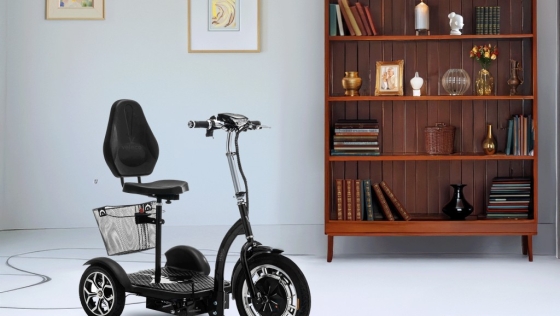
Right, let's have a proper chat about getting your mobility scooter to work brilliantly indoors, shall we? If you've recently welcomed one of these mobility marvels into your home, you're probably discovering that indoor use requires a bit more thought than you initially imagined! The transition can feel overwhelming, but here's the brilliant news: with proper planning and the right protective measures, your mobility scooter can seamlessly integrate into your home environment. No more "oops moments" or costly repairs!
Table of Contents
- Indoor mobility scooter basics
- Key differences between indoor and outdoor models
- Solutions for challenging doorways
- How to protect the floor while riding an indoor mobility scooter?
- Furniture protection and room layout
- Indoor mobility scooter use - conclusion
Indoor mobility scooter basics
Choosing the right mobility scooter for indoor use isn't quite as straightforward as popping down to the high street. Most beefy outdoor models are simply too bulky for comfortable home riding. What makes a scooter perfect for indoor use? The magic numbers include overall width (under 60cm), tight turning radius (ideally 100cm or less), and lightweight construction. Travel scooters often tick all these boxes beautifully.
Key differences between indoor and outdoor models
Indoor mobility scooter is all about manoeuvrability over speed – think nimble ballet dancer rather than heavyweight boxer! Class-2 disability scooters feature smaller wheels, lower ground clearance, and more responsive steering that'll have you pirouetting around furniture like a pro. Battery performance indoors differs significantly from outdoor adventures. All that frequent stopping, starting, and tight manoeuvres drain power faster than steady outdoor cruising. Most indoor-rated batteries provide roughly 8-12 hours of typical home use. Safety features become critical in confined spaces. Look for anti-tip wheels, automatic braking systems, and speed limitation settings – brilliant features that prevent mishaps when navigating around furniture.
Measuring and crossing doorways successfully
Getting doorway measurements wrong ranks as the most common mistake new users make. Standard UK internal doorways measure 762mm (30 inches), but this assumes perfect alignment and no obstructions whatsoever. The proper measurement technique involves measuring the actual clear opening space, not just the door width. Remove any door stops, weather strips, or threshold plates from calculations. Measure at multiple heights too – older properties often have wonky frames!
Required clearance space
Most mobility scooters need at least 5cm clearance on each side for comfortable passage. This buffer prevents constant scraping and allows for steering adjustments – essential for maintaining your sanity! The turning radius becomes absolutely critical for corners and hallways. Measure not just corridor width but also the length available for turning manoeuvres.
Solutions for challenging doorways
Swing-clear hinges add an extra 5cm of clearance by allowing doors to open completely out of the frame. Threshold ramps eliminate the nightmare of wheels catching on door thresholds. Some users find removable door frames practical for frequently used passages – normal door operation when needed, maximum clearance for daily adventures!
How to protect the floor while riding an indoor mobility scooter?
Different flooring materials face varying risks from mobility scooter use. Hardwood floors show wheel marks easier than a guilty conscience, whilst carpets develop permanent indentations from repeated traffic patterns.
Protective solutions
Commercial-grade protective runners work brilliantly for creating dedicated scooter pathways – like floor ninjas! Choose runners with bevelled edges to prevent wheel catching. Non-marking tyres specifically designed for indoor use eliminate most floor damage concerns completely. They're gentler on surfaces than standard tyres. Regular tyre cleaning removes debris that causes scratching, whilst proper inflation ensures even weight distribution. Consider seasonal tyre changes if using the scooter both indoors and outdoors – indoor tyres optimised for smooth surfaces provide better manoeuvrability and floor protection.
Furniture protection and room layout
Strategic furniture placement makes the absolute difference between comfortable riding and constant obstacle courses. Nobody wants to feel like they're completing the Crystal Maze every time they fancy a cuppa!
Protection and layout tips
Furniture corner protectors designed for child safety work excellently for scooter protection too. Wall protection becomes necessary along frequently travelled routes – self-adhesive foam strips prevent scuffs from handlebars or baskets. Room layout optimisation often requires relocating furniture pieces. Small side tables and decorative items frequently obstruct natural pathways. Wall-mounted shelving replaces floor-standing units, whilst furniture with legs allows scooter footrests to slide underneath during riding. Motion-activated LED strips under furniture or along pathways prevent accidents during evening or early morning use. Peace of mind: priceless.
Indoor mobility scooter use - conclusion
Creating a mobility-friendly indoor environment doesn't have to turn your home into something resembling a medical facility! By implementing our tips you're perfectly equipped to enjoy full mobility independence. Start with the most critical areas, then gradually expand modifications as needed. Your mobility scooter should enhance your quality of life, not create stress about your home's condition. After all, home should be comfortable, safe, and perfectly suited to your needs!