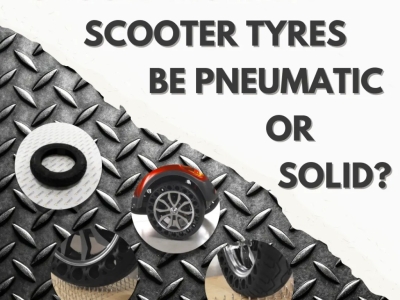
Did you know that choosing the wrong mobility scooter tyres could reduce your comfort by even up to 40%? We've spent years advising mobility scooter users and have seen firsthand how this crucial decision impacts daily life.
Whether you're riding smooth pavements or tackling rougher terrain, your tyre choice can make or break your mobility experience. Let's explore everything you need to know about
pneumatic and solid mobility scooter tyres!
Table of contents:
- Understanding pneumatic mobility scooter tyres
- Exploring solid mobility scooter tyres
- Comfort and performance comparison
- Maintenance requirements and safety considerations
- Making your decision: factors to consider
Understanding pneumatic mobility scooter tyres
Many mobility scooter users wonder about the benefits of air-filled tyres. Pneumatic tyres, which
contain pressurised air, have been a staple in mobility equipment for decades. These tyres typically require inflation to between 30-35 PSI, depending on the manufacturer's specifications.
What makes pneumatic tyres special?
The air chamber within pneumatic tyres acts as a natural shock absorber. Users report significantly smoother rides over uneven surfaces, with one study showing up to 30% better shock absorption compared to solid alternatives. This feature proves particularly valuable
for those with back problems or arthritis.
Benefits of choosing pneumatic tyres:
- Superior shock absorption
- Better grip on varied surfaces
- Enhanced overall comfort
- Improved handling in wet conditions
However, these advantages come with certain responsibilities.
Regular pressure checks are essential – at least monthly, or more frequently for daily users. Properly maintained pneumatic tyres can last up to 2-3 years, while neglected ones might need replacement within months.
Managing pneumatic tyre maintenance
Checking tyre pressure doesn't need to be complicated. Modern pressure gauges are readily available and easy to use. The best time to check pressure is
when tyres are cold, ideally before the day's first journey. Users should keep a small portable compressor at home for convenient top-ups.
Common pressure-related issues
Low pressure
warning signs include:
- Visible flattening at the bottom
- Increased steering effort
- Reduced battery efficiency
- Unusual vibrations during travel
Proper pressure maintenance not only ensures comfort but also contributes to battery efficiency.
Weather considerations for pneumatic tyres
British weather poses unique challenges for pneumatic tyres. Cold temperatures can cause pressure drops, while summer heat might lead to over-inflation. Seasonal pressure adjustments help maintain optimal performance. During winter months, some users find slightly lower pressure (2-3 PSI below maximum) provides better grip on wet surfaces.
Getting the most from pneumatic tyres
For optimal performance, consider these expert tips:
- Store your scooter in a temperature-controlled environment when possible
- Avoid prolonged exposure to direct sunlight
- Keep a record of pressure checks and maintenance
- Have a reliable puncture repair kit handy
We do recommend having tyres professionally
inspected every six months. This routine check can identify potential issues before they become problems, ensuring safer and more comfortable journeys. Just
give us a call if it’s time for yours scooter tyres to be checked: (00 44) 0 1234 816 404
Exploring solid mobility scooter tyres
Solid tyres, often called puncture-proof or
maintenance-free tyres, represent a robust alternative for mobility scooter users. These tyres consist of solid rubber or polyurethane compounds,
eliminating any risk of punctures or pressure-related issues.
The zero-maintenance appeal
Why do many users opt for solid tyres? The answer lies in their hassle-free nature:
- No pressure monitoring required
- Zero risk of punctures
- Consistent performance in all weather
- Reduced operating costs over time
Cost considerations
While
solid tyres initially cost more (typically £35-50 per tyre), their extended lifespan often results in better value for money. Many users report
spending 40% less on tyre-related maintenance over a five-year period compared to pneumatic options.
Comfort and performance comparison
How do these different tyre types affect daily use? Let's examine the key aspects that impact user experience.
- Impact on different surfaces
Surface type significantly affects tyre performance. Tests conducted on various terrains revealed:
- Indoor performance: Both tyre types perform well on smooth indoor surfaces. However, solid tyres often provide better manoeuvrability in tight spaces due to their consistent shape.
- Outdoor challenges: On outdoor surfaces, the differences become more pronounced:
- Grass: Pneumatic tyres generally offer superior grip
- Gravel: Both types perform similarly
- Wet pavements: Pneumatic tyres typically provide better traction
- Noise levels and vibration
User feedback indicates notable differences in noise and vibration:
- Pneumatic tyres: Generally quieter with minimal vibration
- Solid tyres: Slightly more noticeable vibration, especially on textured surfaces
- Hybrid designs: Moderate performance between the two
- Temperature sensitivity
British weather conditions affect both tyre types differently:
- Solid tyres maintain consistent performance across temperature ranges
- Pneumatic tyres require pressure adjustments as temperatures change
- Both types provide adequate grip in typical UK weather conditions
Maintenance requirements and safety considerations
Regular maintenance ensures optimal performance and safety regardless of tyre type. Understanding these requirements helps users make informed decisions about their mobility scooter maintenance routine.
Essential maintenance schedules
Regular checks should include:
For pneumatic tyres
- Weekly pressure checks
- Monthly tread inspection
- Quarterly rotation
- Bi-annual professional inspection
For solid tyres
- Monthly tread inspection
- Quarterly checking for wear patterns
- Annual professional assessment
Signs of wear to watch for
Early detection of wear can prevent safety issues and unexpected breakdowns. Common indicators include:
Visual indicators
- Uneven wear patterns
- Visible cracks or splits
- Tread depth below 2mm
- Bulges or deformations
Performance indicators
- Increased vibration
- Reduced stability
- Unusual noise during operation
- Decreased comfort levels
Professional maintenance tips
- Keep scooters in covered areas
- Avoid prolonged exposure to extreme temperatures
- Use tyre covers for long-term storage
- Maintain clean, dry storage conditions
Pneumatic or solid mobility scooter tyres: factors to consider
The choice between pneumatic and solid tyres depends on your unique situation. Here's our short but complete guide to help you make an informed decision.
Daily routine matters
Your typical journey patterns will significantly impact tyre choice. Consider
how far you travel each day on your mobility scooter. Think about the surfaces you regularly encounter, from smooth shopping centre floors to rough outdoor paths. Storage location also plays a vital role in tyre longevity.
Understanding your environment
Unsettled weather and local terrain create specific challenges for mobility scooter users. Frequent rain might make grip a priority, while regular indoor use could make comfort more important. Some areas have rougher pavements or more hills, which affect tyre wear differently.
Financial planning
The true cost of tyres extends beyond the initial purchase. New pneumatic tyres typically cost less than solid ones. Installation might require professional help, adding to the expense. Consider whether you'll need maintenance tools or regular servicing.
Looking at
long-term expenses helps create a clearer picture. Factor in routine maintenance checks, potential repairs and professional service costs. Some users find the higher upfront cost of solid tyres balances out with reduced maintenance expenses over time.
Personal abilities and needs
Your physical capabilities should influence tyre selection. Think about
whether you can manage basic maintenance tasks like checking tyre pressure. Consider if you have friends or family nearby who could help with maintenance. Some users find the extra comfort of pneumatic tyres essential, while others prefer the reliability of solid options.
Healthcare considerations
Medical needs often guide tyre selection. Certain health conditions might make a smoother ride essential. Discuss your mobility needs with healthcare providers who understand your medical history. They can advise whether the improved shock absorption of pneumatic tyres would benefit your condition.
This thoughtful approach to selecting tyres ensures you choose the option that best suits your lifestyle, budget and health requirements. Take time to evaluate each factor carefully before making your final decision.
Remember, the best choice depends on individual circumstances rather than following general trends.
Consider all factors discussed to make an informed decision that suits your specific needs and lifestyle.