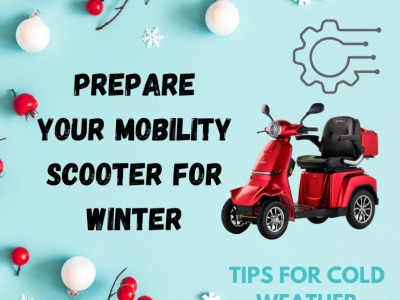
Getting caught unprepared when winter weather hits can be more than just inconvenient – it can seriously impact your independence. With UK winters becoming increasingly unpredictable, knowing how to winterproof your mobility scooter isn't just helpful – it's essential. Some statistics show that mobility scooter accidents increase during winter months, but don't let that put you off. With proper preparation, your mobility scooter can remain a reliable companion throughout the cold season. See what you should know before
the off-season ride!
Table of contents
- Essential pre-winter maintenance checks
- Weatherproofing your mobility scooter
- Battery care in cold weather
- Winter safety features and upgrades
- Winter driving tips and best practices
- Indoor storage and maintenance
- Emergency preparedness
Essential pre-winter maintenance checks
Winter preparation starts with a thorough check of your mobility scooter's vital components. Many service centres report that simple maintenance could prevent up to 80% of winter breakdowns. Let's break down the essential checks you need to perform.
Battery health assessment
Your
scooter's battery is particularly vulnerable during cold weather. Start by checking the battery terminals for any signs of corrosion – those greenish deposits that can build up over time. Clean connections mean better performance, especially when temperatures drop below 5°C.
Tyre inspection and maintenance
Proper tyre maintenance becomes crucial during winter months. Check your tyre pressure weekly, as cold weather can cause significant pressure drops. The recommended pressure typically ranges between 30-35 PSI, but do check your manual for the exact specifications.
Brake system evaluation
Have you noticed any changes in your braking response? Even slight delays could become dangerous on icy surfaces. Test your brakes on a dry, flat surface. They should respond immediately without any grinding sounds or vibrations.
Weatherproofing your mobility scooter
Protecting your scooter from the elements is crucial for winter reliability. Think of weatherproofing as creating a protective shield around your mobility lifeline.
Weather-resistant covers
Quality covers are worth their weight in gold during British winters. Look for covers made from breathable, waterproof materials like polyester with a PVC coating. These prevent both rain damage and condensation build-up.
Moisture protection systems
Many users swear by silicon-based sprays for protecting electrical connections. Apply these to key areas like:
- Controller connections
- Battery terminals
- Charging ports
Remember to avoid spraying directly into any openings – a light coating on surrounding areas is sufficient.
Battery care in cold weather
Optimal charging practices
The golden rule of winter battery care? Keep your battery charged between 80-100% whenever possible. Cold temperatures put extra strain on batteries, and a fuller charge helps maintain performance.
Have you noticed your battery draining faster than usual? This is normal in cold weather, but you can
minimise the impact by:
- Storing your scooter in a temperature-controlled environment
- Charging after each use, even short trips
- Using a battery blanket during extremely cold spells
Temperature management
The ideal storage temperature for mobility scooter batteries is between 10-21°C. Below 0°C, battery capacity can drop dramatically. Consider using an insulated battery cover if your storage area isn't heated.
Winter safety features and upgrades
Safety becomes paramount during winter months. Several practical upgrades can significantly improve your winter riding experience.
Visibility enhancements
Being seen is crucial during dark winter days. LED lighting upgrades provide better visibility while using less battery power. Consider:
- High-visibility reflective strips
- LED position markers
- Auxiliary lighting systems
Grip improvements
Traction is everything in winter. Anti-slip floor mats aren't just for comfort – they're essential safety features. Look for deeply grooved patterns that channel water away from your feet.
Winter driving tips and best practices
Adapting your driving style for winter conditions can make all the difference between a safe journey and a risky one.
Route planning essentials
Smart route planning becomes crucial in winter. Before heading out, consider:
- Are there gritted paths available?
- What alternate routes could you use if main paths are blocked?
- Where are the nearest safe stopping points?
Indoor storage and maintenance
Proper storage can extend your scooter's lifespan significantly. A dry, temperature-controlled space is ideal, but not everyone has this luxury. Here's how to make the best of your available
storage options.
Daily cleaning routine
Salt and grit are particularly harsh on mobility scooters. A quick daily clean can prevent long-term damage. Focus on:
- Wiping down the seat and controls
- Cleaning wheel arches and tyres
- Drying any wet areas thoroughly
Emergency preparedness
Nobody plans to break down, but being prepared can turn a potential crisis into a minor inconvenience.
Essential winter kit
Keep these items on your scooter during winter months:
- Fully charged mobile phone
- Emergency contact numbers
- Waterproof poncho
- Basic tool kit
- Portable battery pack
Remember to
check your emergency kit monthly – batteries can deteriorate, and contact numbers might change.
Mobility scooter post-season checkup
Looking to get your mobility scooter ready for the winter months ahead? Velobike's expert technicians offer comprehensive post-season inspections to ensure your scooter stays reliable throughout the colder season.
Book your winter check-up today by calling (00 44) 0 1234 816 404. We'll make sure your scooter gets the thorough attention it needs.
Remember: independence shouldn't stop when winter starts. With proper preparation, your mobility scooter can keep you moving safely through even the chilliest British winter days.