



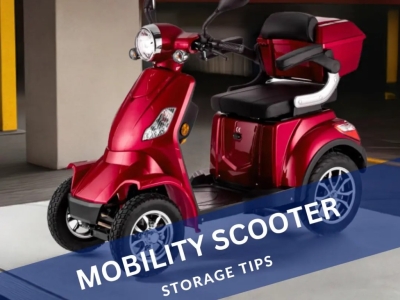
October's here, which means we're officially on borrowed time before the weather turns properly miserable. If you've been putting off sorting your mobility scooter for winter, now's the moment. Trust us, you don't want to be fiddling with frozen batteries or seized brakes when there's frost on the ground. Think of this like prepping your home for winter – you wouldn't leave the garden hose out, would you? Same principle applies to your scooter. A bit of attention now saves a mountain of hassle later.
Table of contents
- Why bother with all this?
- Mobility scooter battery - the heart of the matter
- Tyres - your connection to the road
- Brakes - stop when you need to
- Lights and electrics - see and be seen
- Body and frame - keeping rust at bay
- Professional mobility scooter service - Know when to call in help
- The quick daily check
Why bother with all this?
Here's the thing about British winters and mobility equipment: they don't play nicely together. Cold temperatures are absolutely brutal on batteries, reducing their performance by up to 50%. That means your usual 30-mile range could suddenly become 15 miles – not ideal when you're halfway to the shops. Moisture is another villain. Rain, sleet, and that horrible damp air we get in November all love sneaking into electrical components. And while your scooter's built to handle typical British weather, winter takes things up a notch. Regular maintenance isn't just about keeping things working; it's about keeping you mobile and independent when the weather's at its worst.
Mobility scooter battery - the heart of the matter
Let's start with the battery because if this goes wrong, nothing else matters.
- Check the charge levels regularly. Winter drains batteries faster than a teenager drains their phone data. Make it a habit to charge after every trip, even short ones. Don't wait until it's completely flat – that's rough on the battery at any time, but especially in cold weather.
- Keep it warm. If you store your scooter in an unheated garage or shed, consider bringing the battery indoors overnight. Room temperature is your friend here. If you've got a removable lithium-ion battery (lucky you!), definitely bring that inside. Lead-acid batteries are a bit more stubborn about coming out, but they still appreciate warmth. Even moving your scooter closer to the house wall can help a bit.
- Top it up during storage. Planning to use your scooter less over winter? Fair enough. But don't just park it and forget about it. Charge the battery at least once every couple of weeks, even if you haven't used the scooter. A completely discharged battery in freezing temperatures is basically a paperweight.
- Watch for warning signs. If your scooter's taking noticeably longer to charge, or the battery indicator is dropping faster than usual, don't ignore it. These are your early warning signals that something needs attention.
Tyres - your connection to the road
Wet leaves, ice, mud – autumn and winter throw everything at your tyres. Time to show them some love.
- Check the pressure. Cold air means lower tyre pressure. Check yours weekly if you can, monthly at minimum. Under-inflated tyres mean poor handling and faster wear. Your manual will tell you the right pressure – it's usually between 30-35 PSI for most mobility scooters, but always check your specific model.
- Look for wear and damage. Run your hand around each tyre (gently – we're checking, not performing surgery). Feel any cuts, cracks, or embedded stones? Sort them now. Tyre tread should be clearly visible. If it's worn smooth, it's time for replacements before the roads get slippery.
- Consider your options. Got pneumatic tyres (the ones with air)? They give a lovely comfortable ride but can puncture. Some folks switch to solid tyres for winter – they're puncture-proof and need zero maintenance. Just something to think about if you're replacing tyres anyway.
Brakes - stop when you need to
Bit obvious this one, but wet, cold conditions mean your brakes need to be absolutely spot-on.
- Test them before every journey. Give them a squeeze before you set off. They should feel firm and responsive, not spongy or loose. If you have to pull the lever halfway to your handlebar before anything happens, that's a problem.
- Listen for unusual sounds. Squeaking might just be wet brakes (annoying but normal), but grinding or scraping means worn brake pads. Get those checked by a professional.
- Keep them clean. Mud and road salt are murder on braking systems. A quick wipe with a damp cloth after muddy journeys makes a real difference.
Lights and electrics - see and be seen
Days are getting shorter. By late October, you'll need your lights on for afternoon trips, never mind evening ones.
- Test all lights. Indicators, headlights, brake lights – check the lot. It's not just about seeing where you're going; it's about making sure others see you. Especially important in car parks when it's grey and drizzly.
- Check connections. Loose wiring is a common culprit for electrical gremlins. Have a gentle poke around (when the scooter's off, obviously). Everything should be secure and dry. If you spot any exposed wires or dodgy-looking connections, get them sorted by someone who knows what they're doing.
- Carry a backup. A small torch or LED light in your storage compartment is never a bad idea. Just in case.
Body and frame - keeping rust at bay
Your scooter's body takes a right battering from winter weather. A bit of preventive care goes a long way.
- Give it a proper clean. We're not talking about a full valet service here, but a decent wash removes road salt, mud, and grime that cause corrosion. Use warm water and a mild detergent – nothing fancy. Dry it thoroughly afterward, especially around joints and metal components.
- Wax or protective coating. A thin layer of automotive wax on painted surfaces creates a protective barrier against moisture. It's like giving your scooter a waterproof jacket.
- Check for rust spots. Caught early, rust is easy to deal with. Left alone, it spreads like gossip. Small spots can be treated with rust remover and touch-up paint. Bigger issues need professional attention.
Professional mobility scooter service - Know when to call in help
Some jobs are DIY-friendly. Others? Not so much. If you're not confident with mechanical work, don't risk it. A pre-winter service from a qualified technician costs far less than emergency repairs in January. Most technicians will check everything we've talked about, plus things like motor brushes, wiring harnesses, and controller settings that really need professional equipment to assess properly. When to definitely call a professional:
- Any electrical issues beyond changing a bulb
- Brake adjustments or replacements
- Unusual noises from the motor
- Steering problems
- Anything that affects safety
The quick daily check
Once you've done your October preparation, maintain it with a quick once-over before each trip:
- Squeeze the brakes – do they feel right?
- Check tyre pressure looks reasonable
- Test lights and indicators
- Glance at the battery indicator
- Quick visual scan for anything obviously wrong
Takes two minutes. Could save you being stranded.
October checklist - Final thoughts
Look, we know this seems like a long list. But here's the truth – most of this is common sense wrapped up in a bit of regular attention. Ten minutes a week and a proper check-over now in October will keep you mobile all winter. Your scooter gives you independence and freedom. Taking care of it isn't a chore; it's an investment in staying active and independent when the weather's trying its best to keep everyone indoors. So grab a cuppa, head out to where your scooter lives, and work through this checklist. Future you – the one who's zipping to the shops in December while everyone else is stuck indoors – will be absolutely chuffed you did. Stay safe, stay mobile, and don't let winter win. Need parts, accessories, or professional advice? The Velobike team is here to help. Give us a ring or drop us a message – we're always happy to chat about keeping your mobility scooter in top form.