



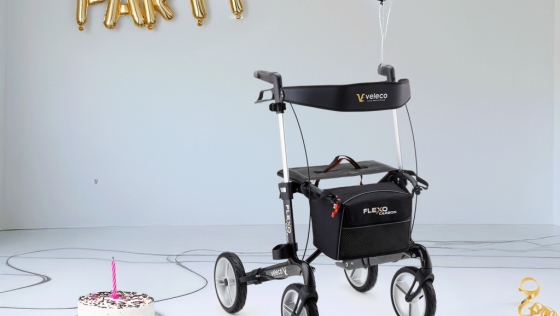
Here's something that might surprise you: rollators aren't just for pensioners! Young professionals recovering from surgery, middle-aged folks managing chronic conditions, even teenagers dealing with injuries - they're all quietly benefiting from rollators whilst the rest of us carry on with outdated assumptions. Ready to have your mind properly changed? Let's crack on and shatter some myths!
Table of Contents
- What exactly is a rollator?
- Breaking down the "elderly only" stereotype
- Young adults and rollators: more common than you think
- Middle-aged users: the overlooked demographic
- Why rollators are brilliant for older adults too
- Medical conditions that benefit from rollator use across all ages
- The psychological benefits for younger users
- Choosing the right rollator: age-appropriate features
- Conclusion
What exactly is a rollator?
Right, let's get one thing straight - we're not talking about your nan's old zimmer frame! Modern rollators are absolute game-changers with four wheels that glide smoother than a freshly waxed bowling ball, and a built-in seat that's there whenever your legs fancy a breather. These aren't just wheels stuck on a frame. We're talking proper engineering here - storage compartments, and lightweight aluminium construction. Some fold down smaller than a pushchair and weigh less than a decent suitcase.
Breaking down the "elderly only" stereotype
This stereotype didn't just appear out of thin air. It's been carefully cultivated over decades through marketing that exclusively featured silver-haired users shuffling about looking miserable. The media didn't help either, did they? Every film and TV show portrayed rollator users as frail elderly characters, often for comedic effect. No wonder younger people ran a mile from the idea! But here's the plot twist - younger rollator users have started sharing their stories on social media, and what a revelation it's been. We're seeing twenty-somethings with chronic illnesses, thirty-somethings recovering from surgery, and forty-somethings managing arthritis - all proudly using their mobility aids.
Young adults and rollators: more common than you think
Post-surgical recovery represents a massive category of young rollator users. ACL reconstruction, hip operations, spinal surgery - traditional crutches can be exhausting and limiting, whilst rollators provide stability, storage, and somewhere to rest when needed. Chronic conditions don't give two hoots about your age either. Multiple sclerosis typically strikes people between 20-40, whilst chronic fatigue syndrome can wallop anyone. These conditions benefit enormously from rollators' energy conservation features and portable seating options. Professional athletes sometimes use rollators during injury recovery too. The controlled movement helps maintain mobility whilst protecting healing areas - proper smart thinking!
Middle-aged users: the overlooked demographic
The 40-65 crowd faces unique challenges - too young for "elderly" assumptions but dealing with real mobility issues that rollators solve brilliantly. After 20+ years of grafting, bodies start sending pointed messages about wear and tear. NHS staff, construction workers, retail employees - they're all feeling the effects of decades spent lifting, bending, and being on their feet. Rollators can transform working life by providing rest opportunities and equipment storage whilst reducing physical strain. Early-onset arthritis doesn't check your birth certificate before moving in. Rheumatoid arthritis can strike people in their thirties, and rollators shine here because they distribute weight evenly without aggravating painful joints like walking sticks do.
Why rollators are brilliant for older adults too
Now, let's not throw the baby out with the bathwater - whilst we've been championing younger rollator users, these mobility aids remain absolutely fantastic for older adults too! And rightly so. As we age, our balance naturally becomes less reliable, joints might protest a bit more, and energy levels can fluctuate. Rollators address these challenges brilliantly by providing stable support, reducing fall risk, and offering that crucial rest option when legs get tired. For older adults managing multiple health conditions - perhaps arthritis combined with mild balance issues - rollators provide comprehensive support that walking sticks simply can't match. The four-wheel stability offers security on various terrains and weather conditions. The storage benefits are enormous too. Carrying shopping, handbags, or medical supplies becomes manageable rather than overwhelming. Many older users discover they can accomplish tasks independently that previously required assistance.
Medical conditions that benefit from rollator use across all ages
- Neurological conditions: Early-onset Parkinson's can affect people in their thirties. The visual cues from rollator frames help overcome freezing episodes, whilst stability support manages balance problems.
- Chronic pain conditions: Complex regional pain syndrome doesn't discriminate by age either. Rollators provide crucial energy conservation and stability when pain levels fluctuate.
- Temporary challenges: Post-surgical recovery affects all ages. Cancer treatment creates unique mobility issues through chemotherapy-induced neuropathy and fatigue. Even pregnancy complications like severe pelvic girdle pain can benefit from rollator support.
The psychological benefits for younger users
The mental health impact is extraordinary. Rollators provide confidence, independence, and freedom from fall anxiety. Users stop being afraid of their own environment and start living again. Social benefits are surprising too - rollators often become conversation starters rather than barriers. People are naturally curious and usually wonderfully supportive when they learn about various conditions that benefit from mobility aids. The shift from focusing on limitations to embracing possibilities is absolutely transformative. Many users discover that mobility aids actually expand their capabilities rather than limit them.
Choosing the right rollator: age-appropriate features
Younger users need rollators that keep up with busier lifestyles. Lightweight models that fold compactly are essential for active people who travel, work, or socialise regularly. Key considerations:
- Weight and portability for car transport
- Style preferences - modern designs come in classic colours and sophisticated finishes
- Durability for varied terrain and regular use
- Professional appearance for workplace use
Conclusion
The myth that rollators are exclusively for elderly people has been thoroughly demolished! These versatile mobility aids serve brilliant people of all ages, from teenagers recovering from sports injuries to professionals managing chronic conditions. When people understand that mobility challenges don't discriminate by age and that rollators provide practical solutions for diverse needs, these devices are recognised for what they truly are: tools for living life to the absolute fullest, regardless of age!